Seven Qualities of Good UX
Check any product against the UX Honeycomb: useful, usable, desirable, findable, accessible, credible and valuable.
In 2004, information architect Peter Morville described seven qualities of a good user experience and arranged them as a honeycomb. Each quality is a question you can ask about any product: is it useful, usable, desirable, findable, accessible, credible and valuable? This lesson takes them one at a time.
Useful
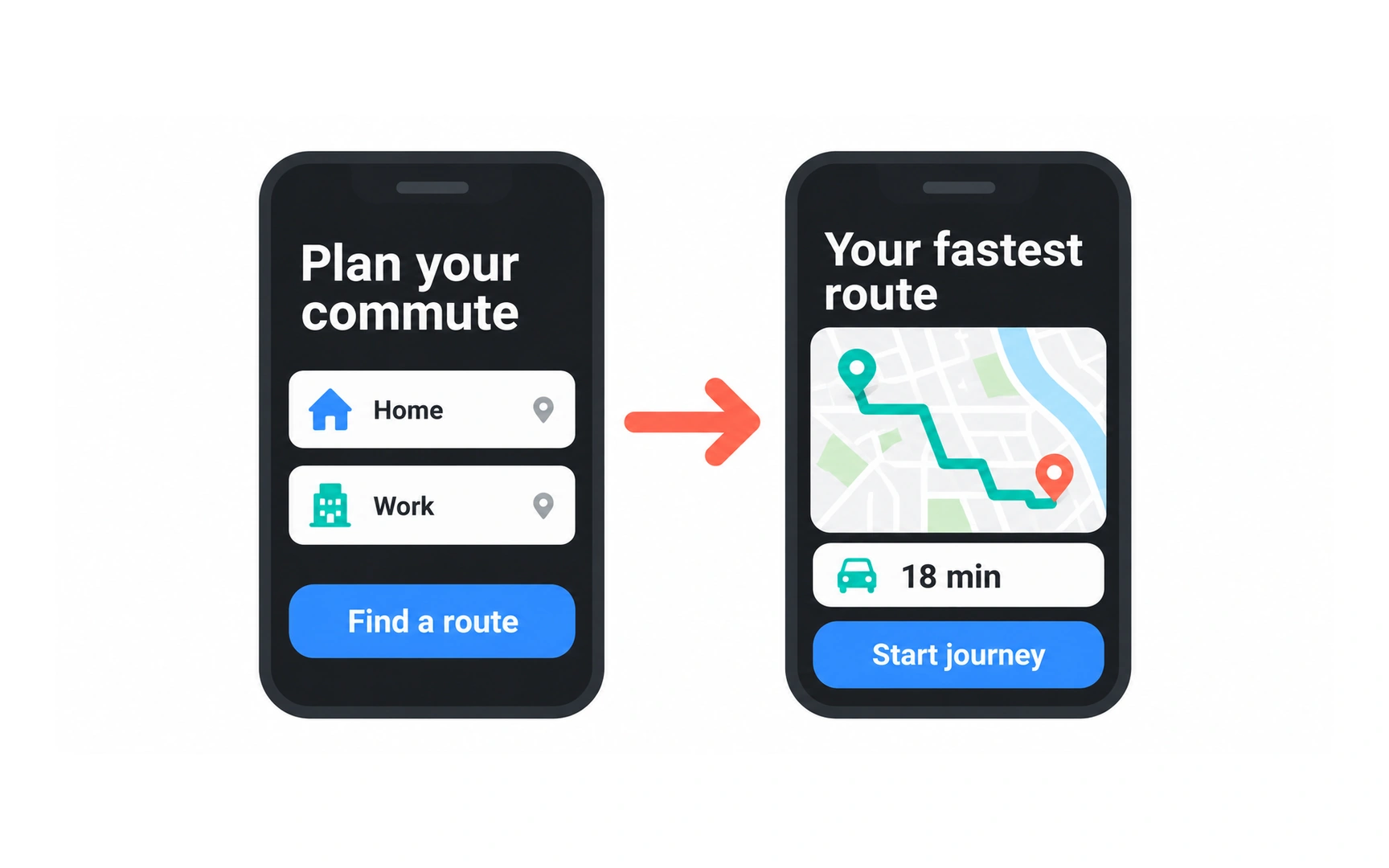
A useful product solves a problem people actually have. A commute planner is useful when it answers the question its users care about: what is the fastest way to get to work right now?
Usefulness is about purpose, not polish. Before adding a feature, check which user need it serves. A feature nobody needs adds clutter, even if it works perfectly.
Pro tip: when a product does a lot, show the main tasks first and reveal advanced options when people need them. This is called progressive disclosure, and it keeps the core purpose easy to see.
Usable
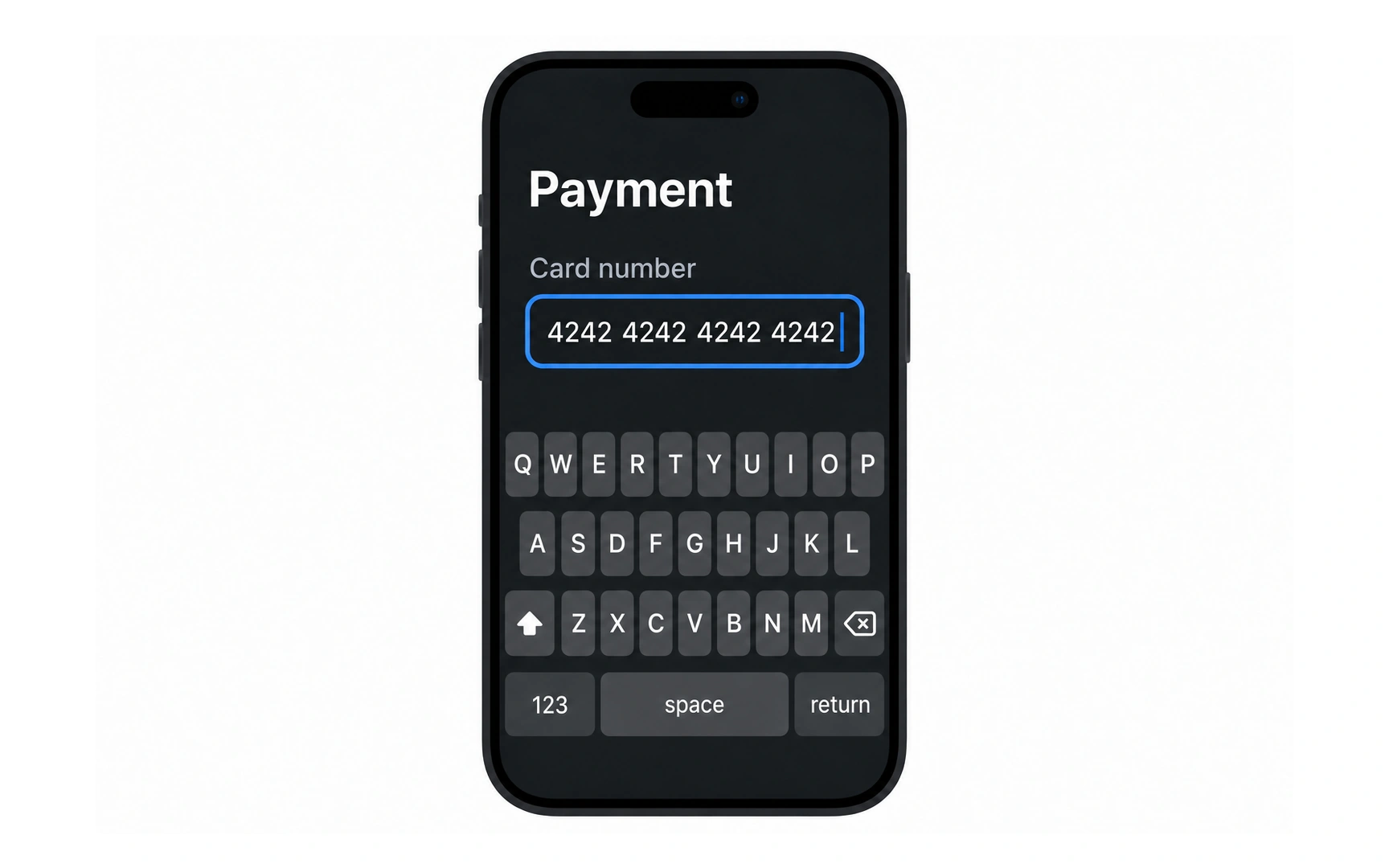
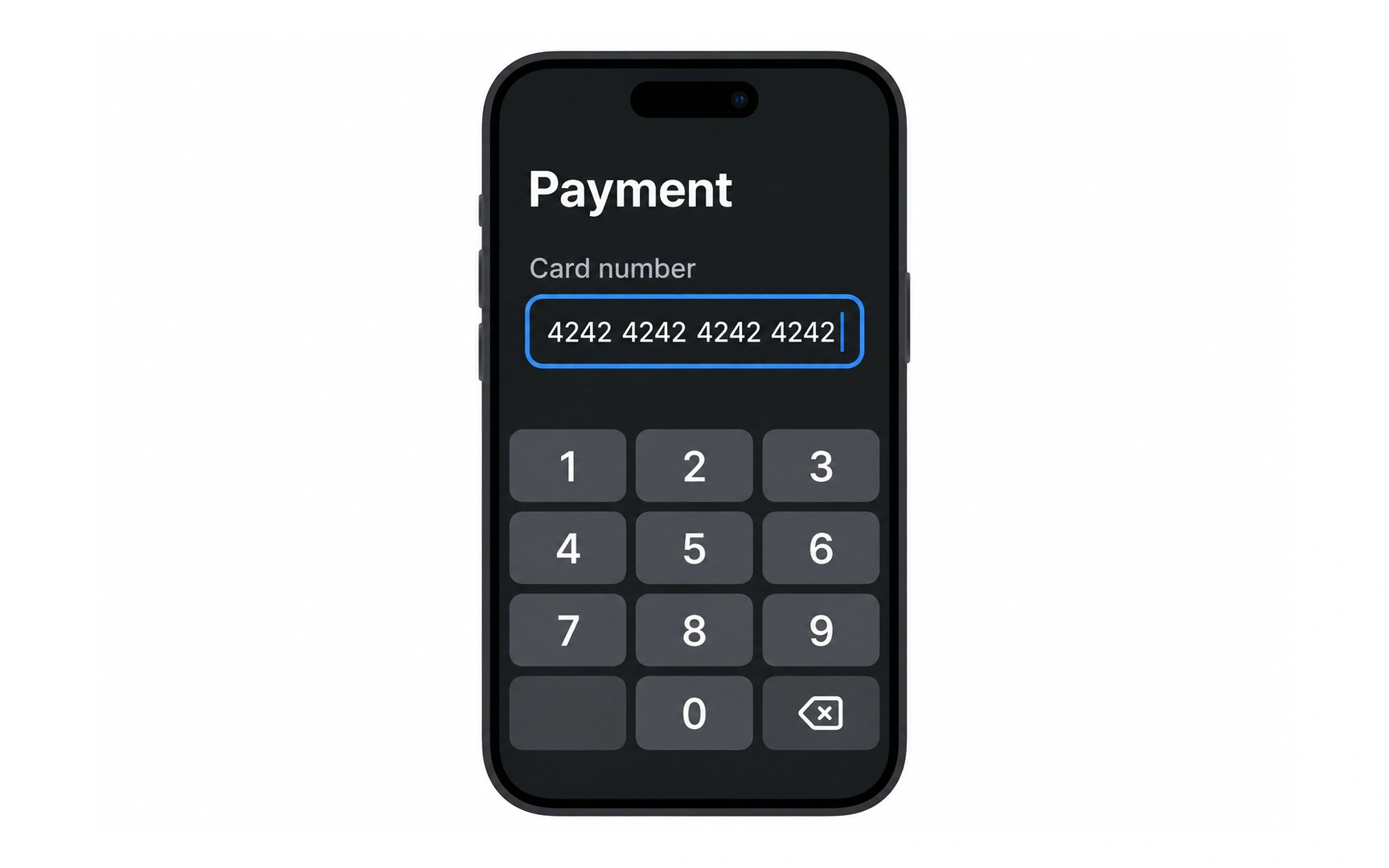
A usable product lets people get things done easily, without confusion or extra effort. Usability is not about whether a product can do something, but how easily people can do it.
Small details add up. When someone types a card number, a number keypad saves them from hunting for digits on a full keyboard. Clear buttons, a way to go back and short forms help in the same way.
Pro tip: watch for moments when people hesitate or tap the wrong thing. Each one is a usability problem worth fixing, even if the person succeeds in the end.
Desirable
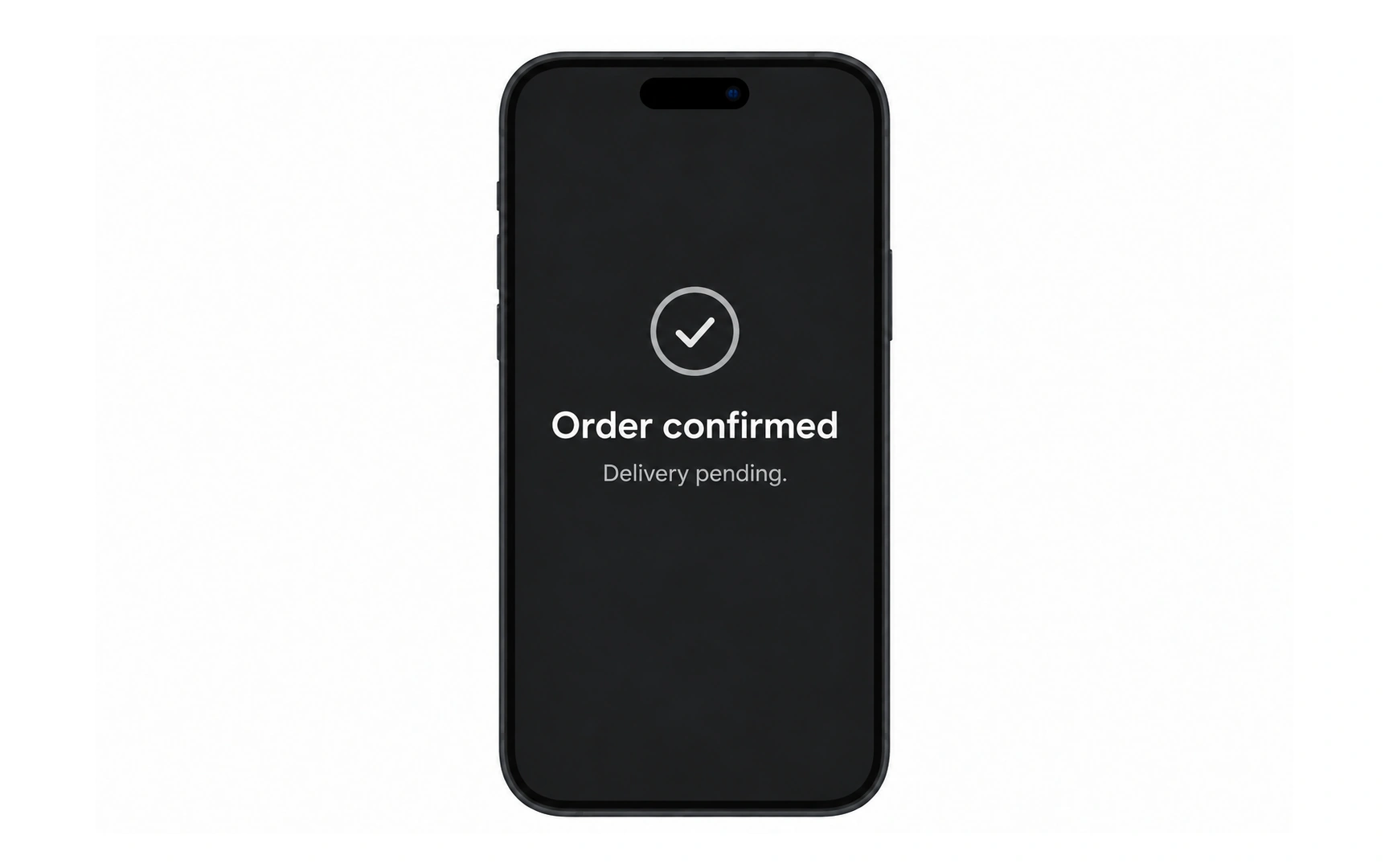
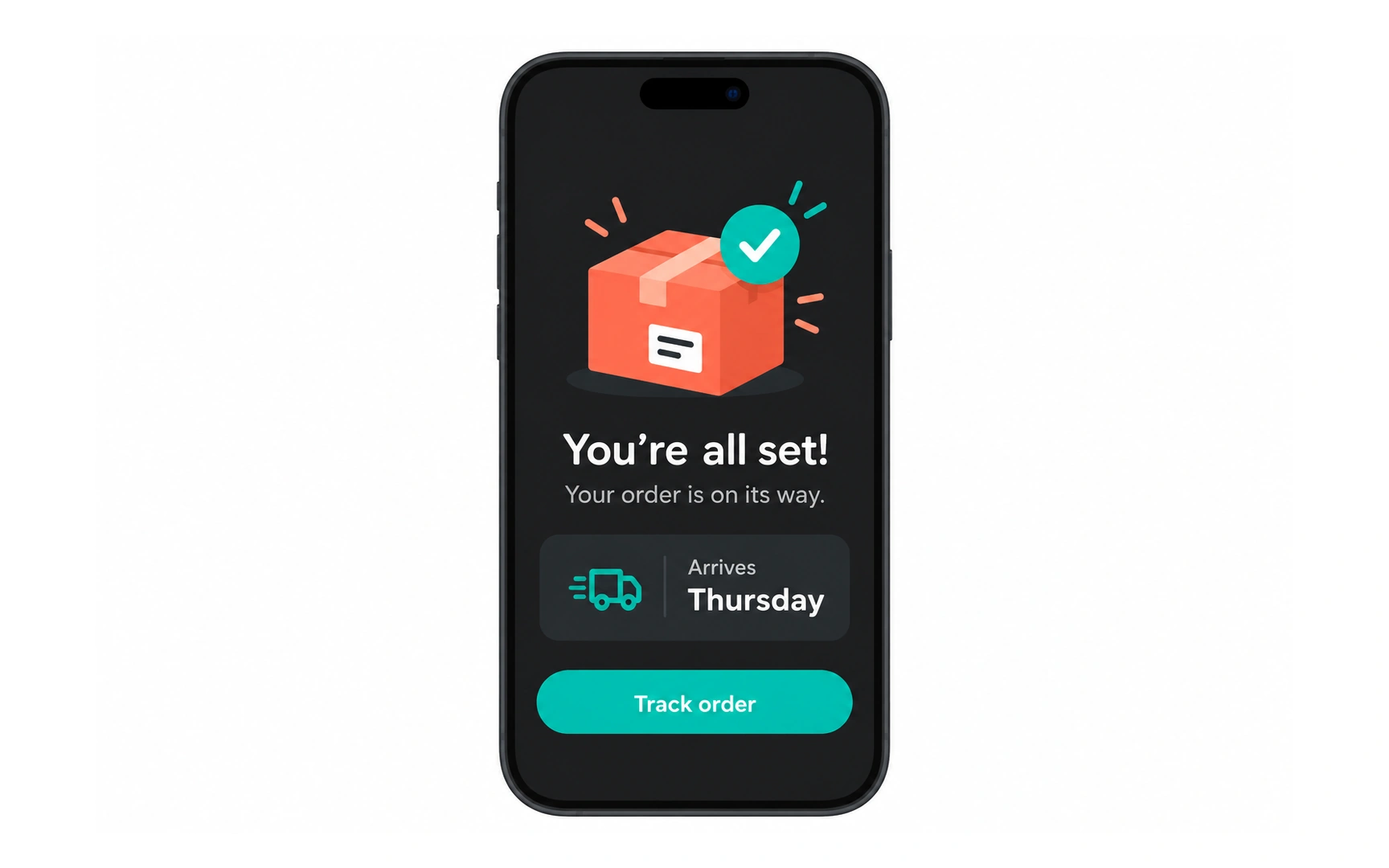
A desirable product is one people enjoy using. A friendly tone, a clear look or a small moment of delight creates a good feeling, and that feeling builds a connection with the product.
Desirability is not decoration. Compare two order confirmations: one only says "Order confirmed", the other says "You’re all set!", shows the delivery day and offers a Track order button. Both work, but the second feels warmer and more reassuring.
Keep delight in service of the task. A friendly message helps; an animation that slows people down does not.
Findable
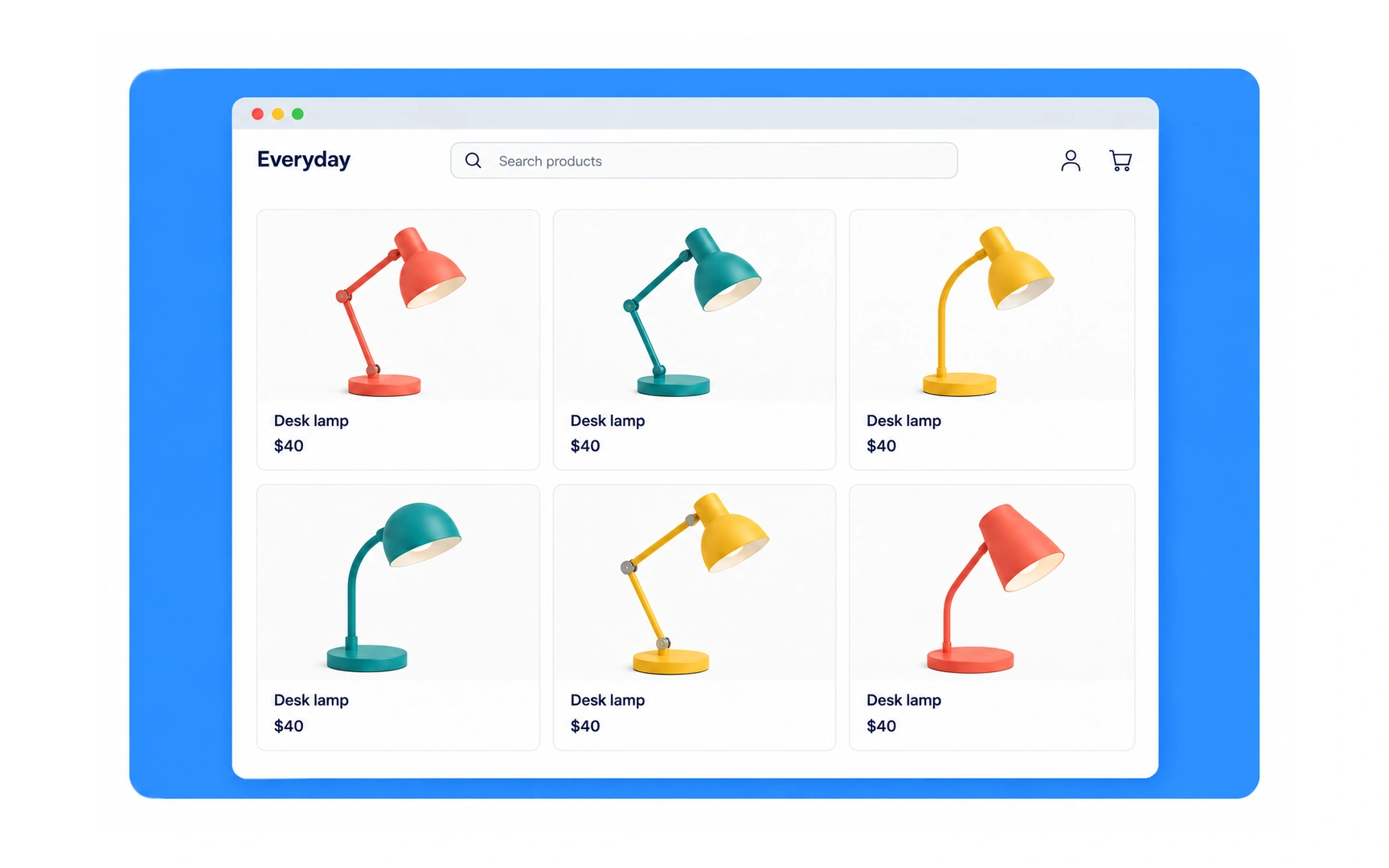
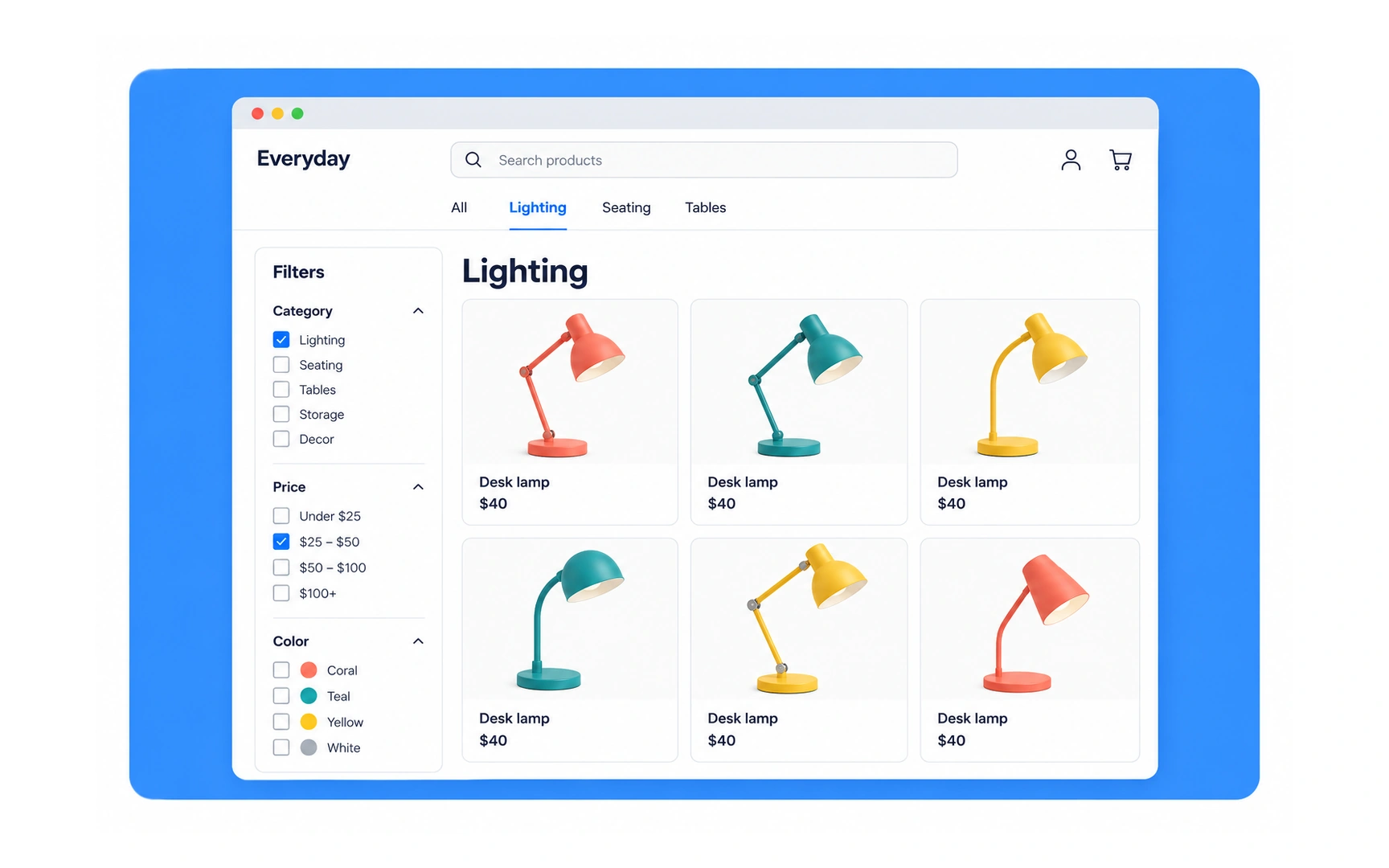
Findable means people can locate what they need, whether it is a product, a page or a setting. If people cannot find something, it may as well not exist.
Clear categories, filters, search and predictable navigation all help. In an online shop, letting people narrow desk lamps by price or color is far faster than scrolling through every item.
Put things where people expect them and label them in words people use. Keep navigation in the same place on every page, so nobody has to relearn it.
Accessible
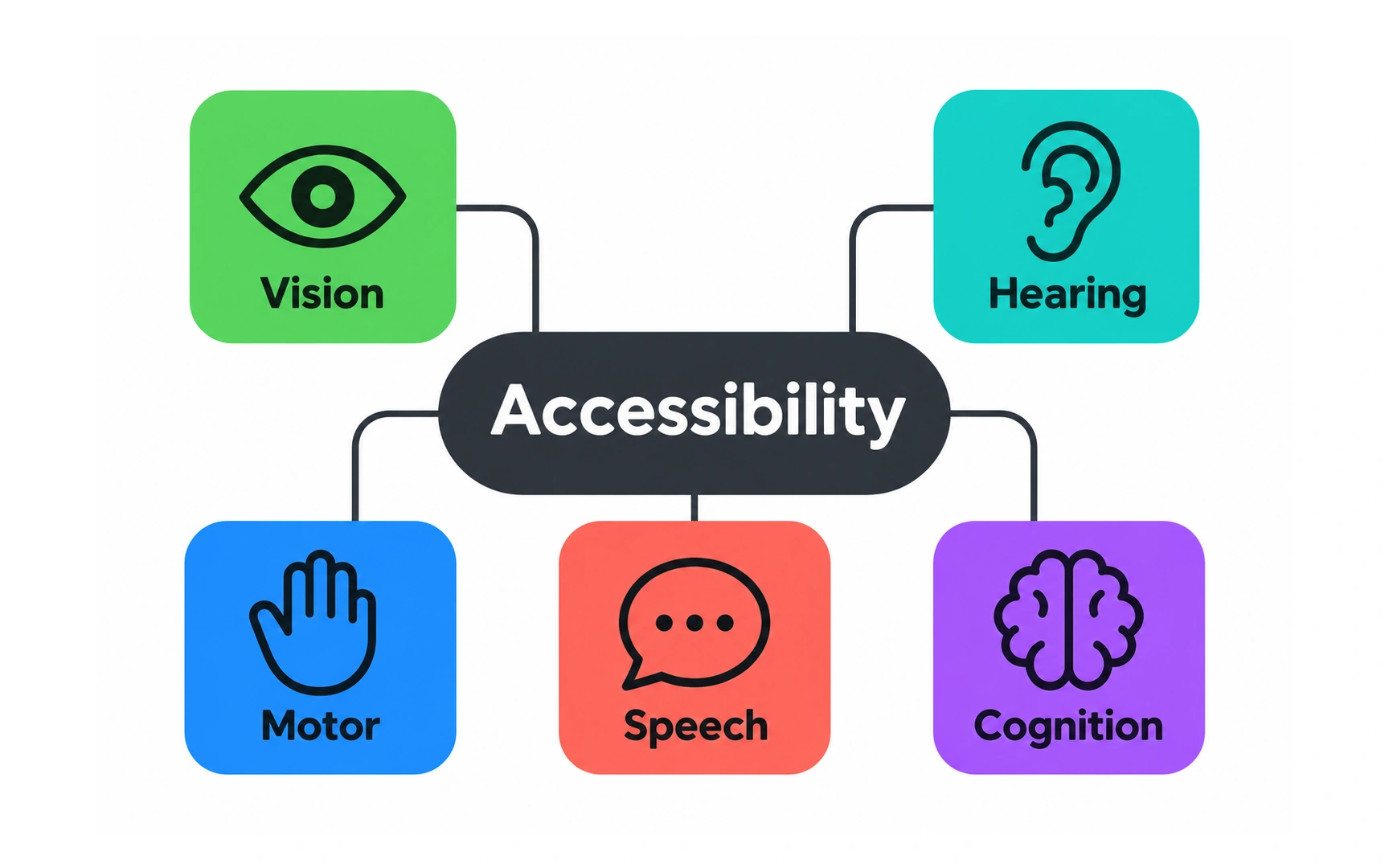
An accessible product can be used by people with a wide range of abilities, including people with vision, hearing, motor, speech or cognitive disabilities.
Accessibility is part of inclusive design, which considers everyone’s circumstances: age, language and temporary situations such as a broken arm or bright sunlight on a screen.
Accessible choices often help everyone. Captions help people watching in a noisy café, and strong contrast helps anyone reading outdoors. Pro tip: never use color alone to show meaning; add a label or icon too.
Credible
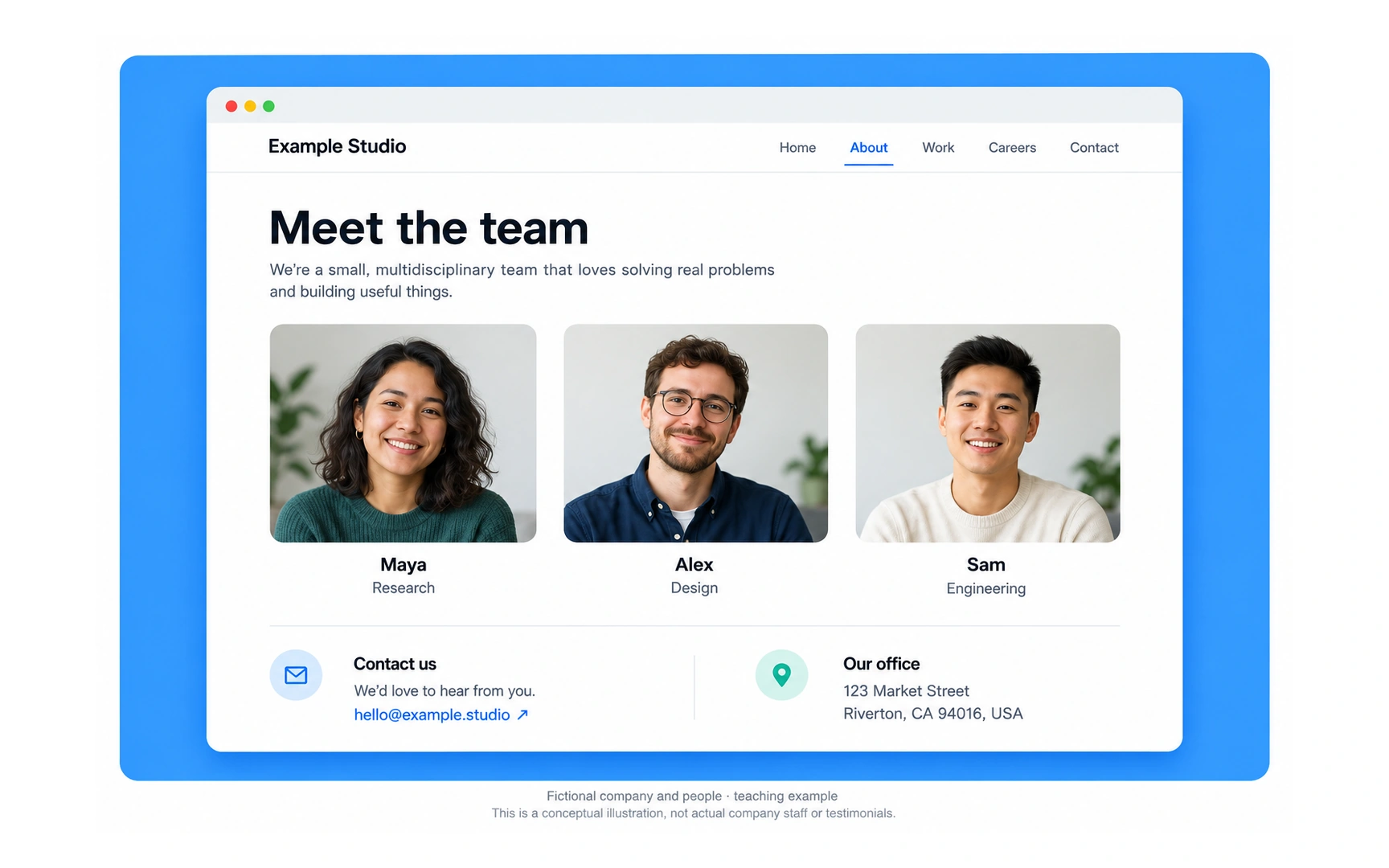
A credible product earns people’s trust. People are more willing to pay, sign up or share personal details when a company seems real and honest.
Trust comes from specific signals people can check: the real people behind the service, a contact address, a clear explanation of how personal data is used, and genuine reviews.
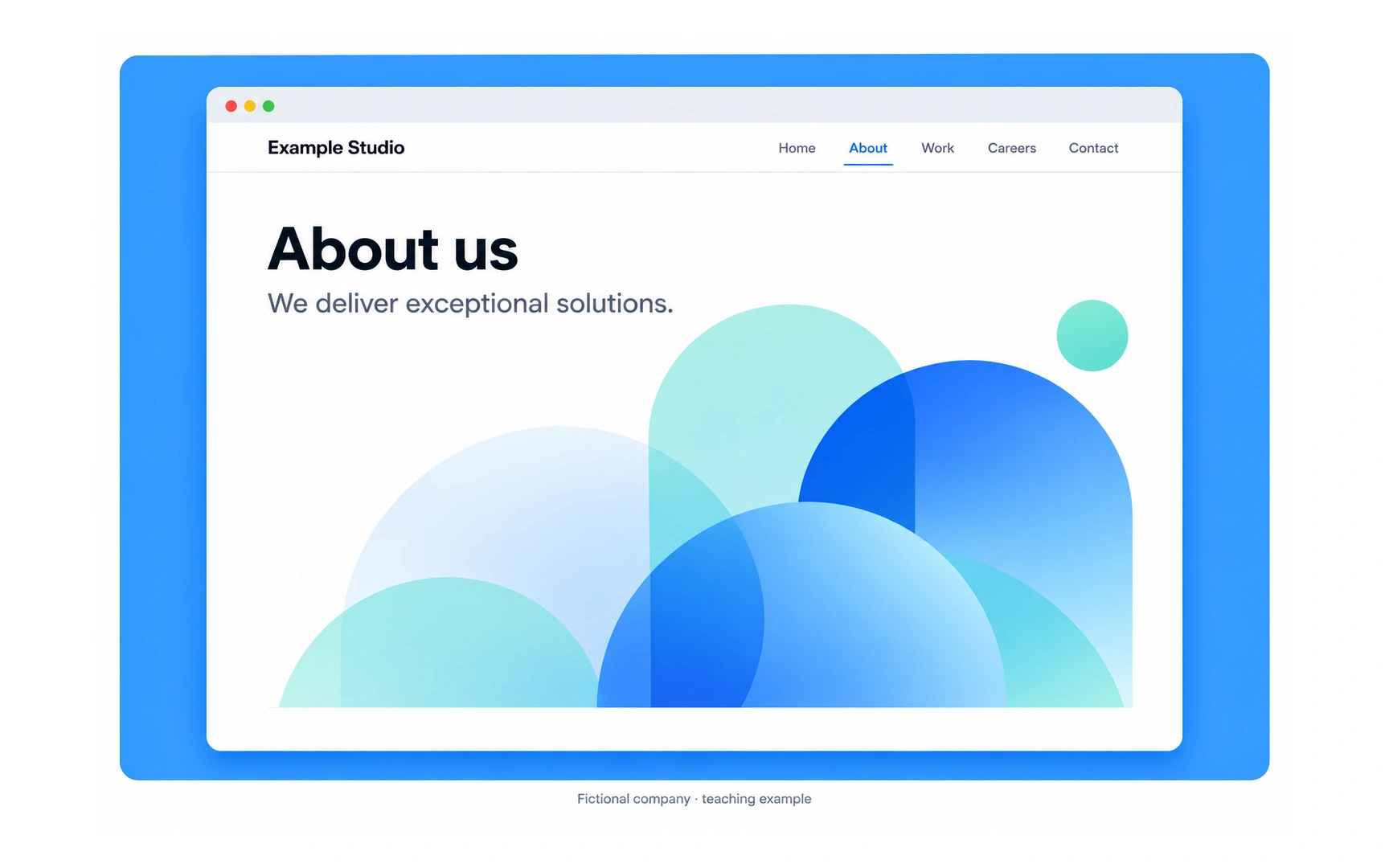
Vague claims such as "We deliver exceptional solutions" do little. Pro tip: if a statement cannot be checked, replace it with something that can, such as a named team member or a real address.
Valuable
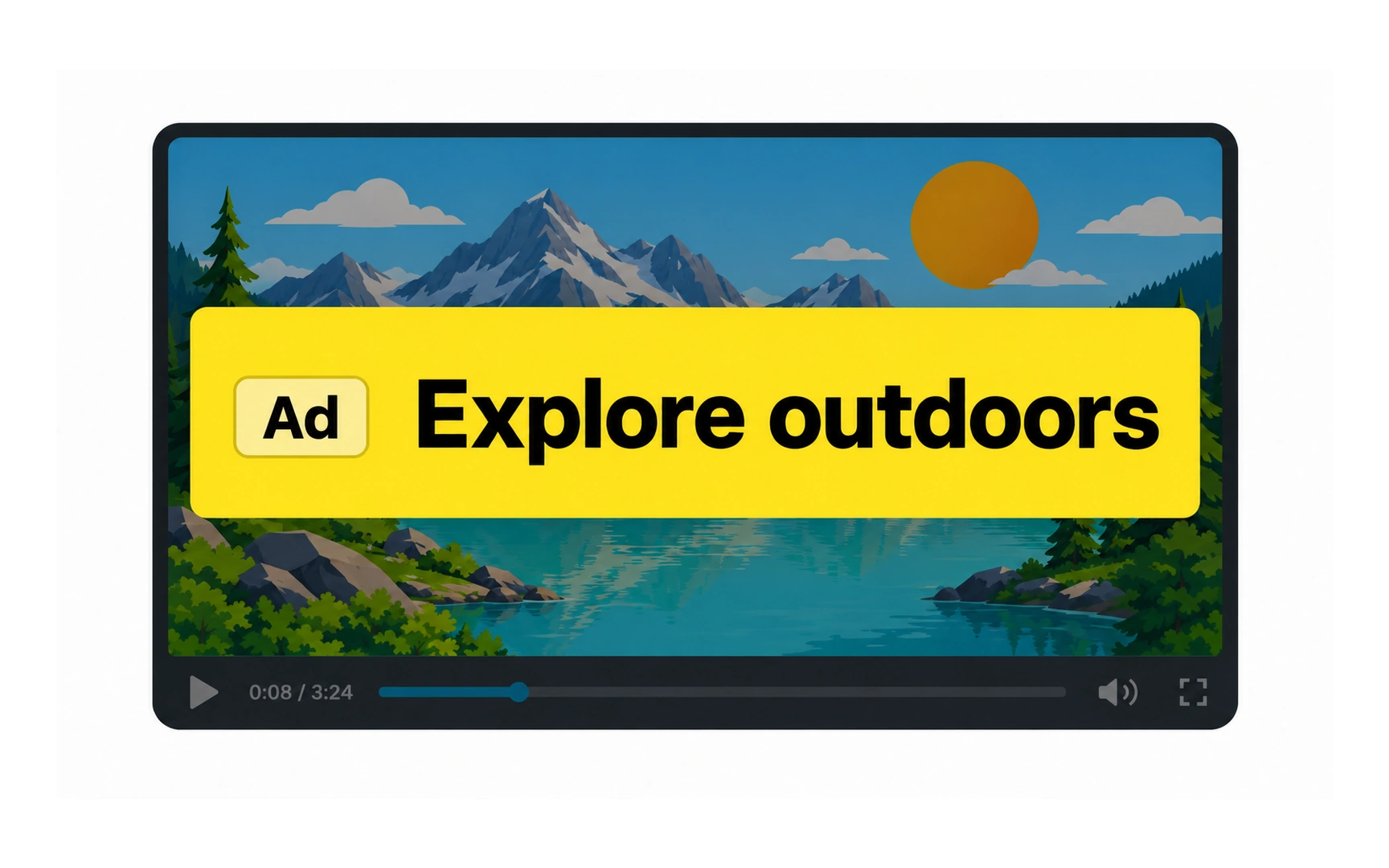
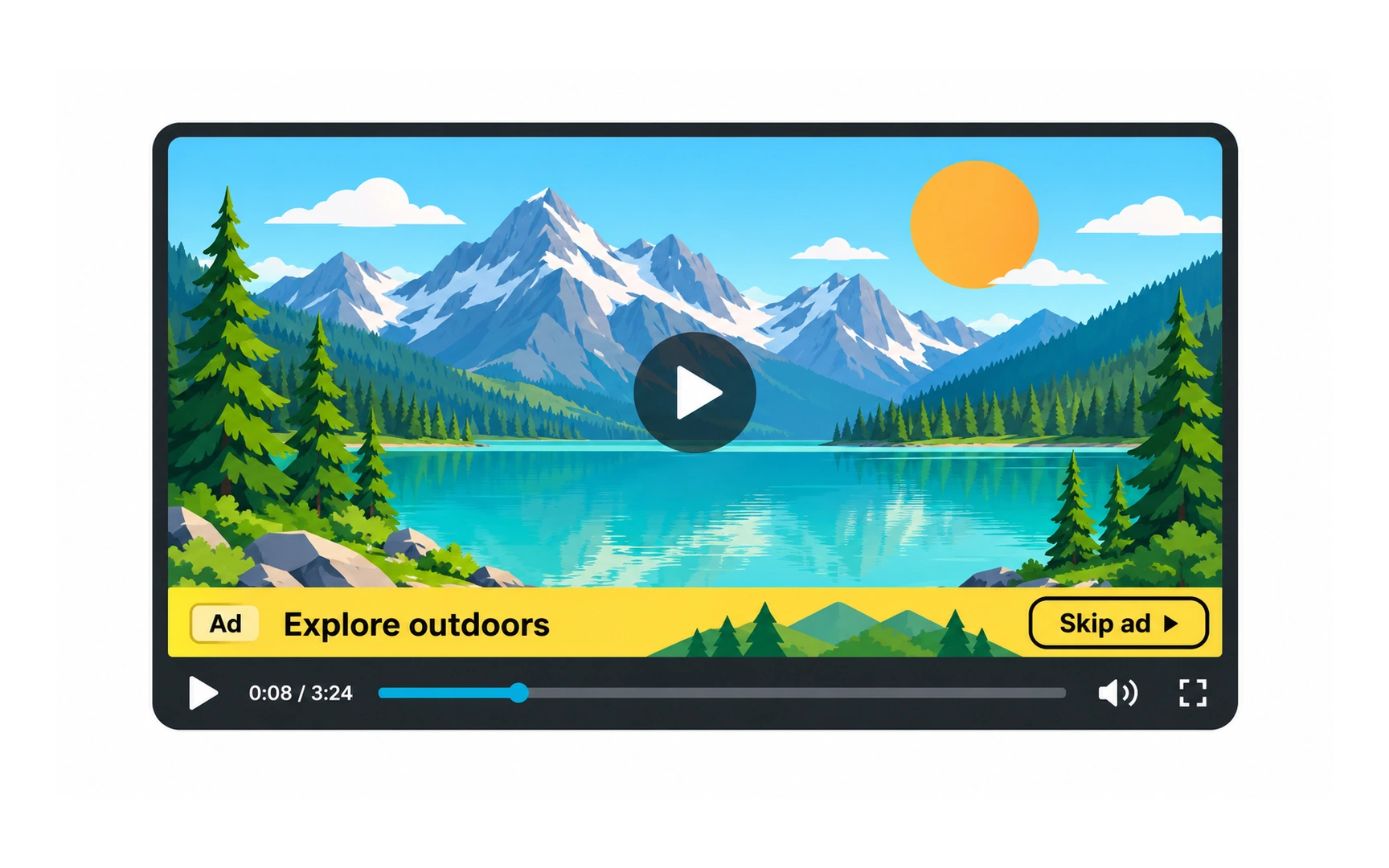
A valuable product benefits both its users and the business behind it. Users get something they need, and the business earns enough to keep the product going.
The two must stay in balance. A video service can show ads to fund free content, but an ad that covers the video and cannot be skipped puts the business’s goal above the viewer’s.
Start from user needs, then choose ways of earning money that respect them. A product that earns money by getting in people’s way rarely keeps them for long.
TOPICS
FROM COURSE